LEGO Learning Activities: 15 Hands-On Ideas for Every Subject
Got a tub of bricks and wondering how to turn it into a lesson? These LEGO learning activities are practical, low-prep ideas you can use in the classroom or at the kitchen table. They are sorted by subject, so you can grab one for a math center, a literacy rotation, a STEM challenge, or a rainy afternoon at home.
Quick Answer: What Are Some Easy LEGO Learning Activities?
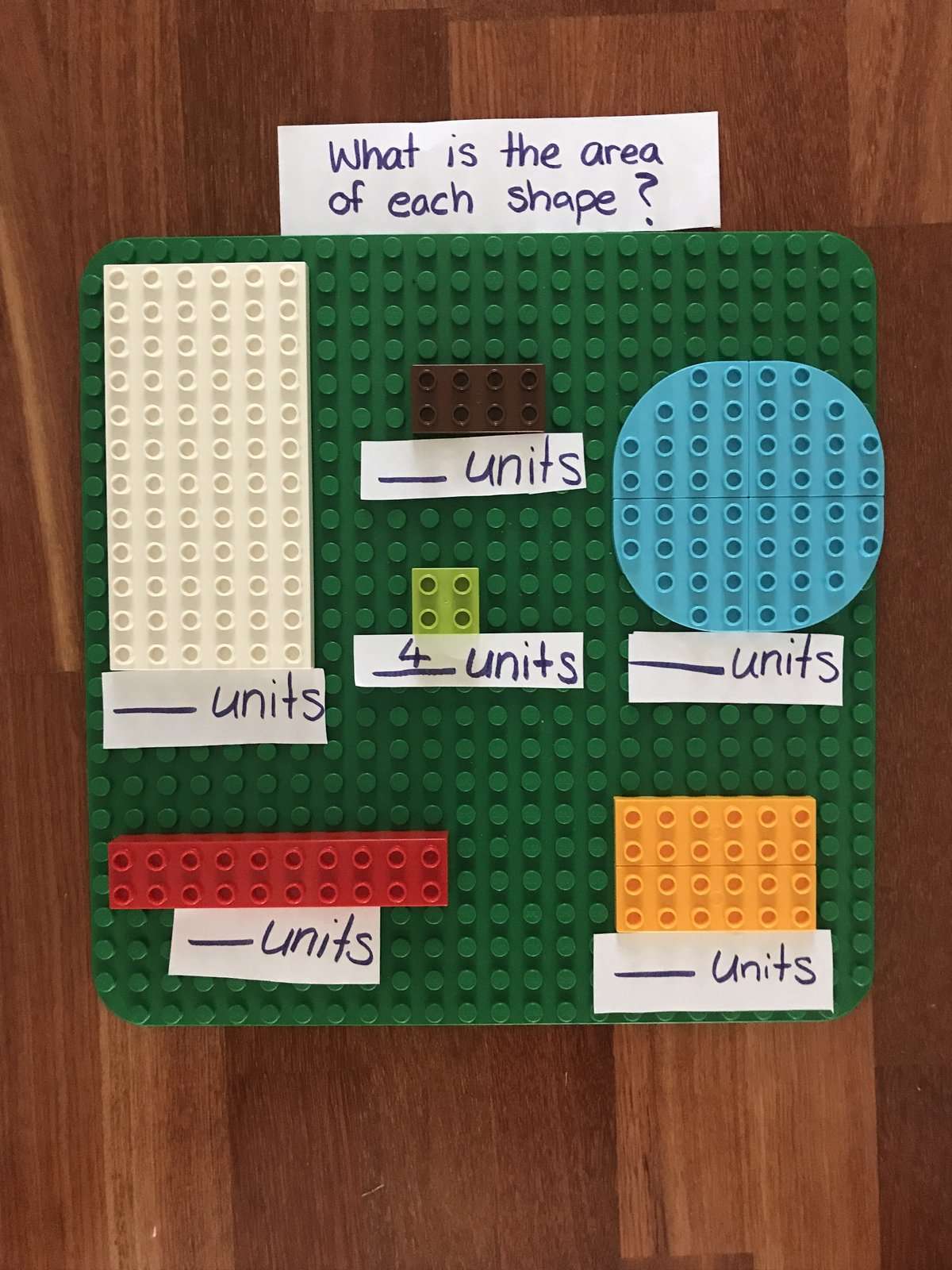
For math, build an ordering numbers tower, find the area of bricks on a baseplate, or model fractions with a 2×4 brick. For literacy, build CVC words on labeled bricks or build a story scene and retell it. For STEM, set a tower or bridge challenge and test it. For social studies and art, build a landmark, a map, or a mosaic. Each activity needs only a handful of bricks, a baseplate, and a clear goal.
What You Need
A tub of mixed bricks (DUPLO for younger children, standard bricks for older students)
One or two baseplates
Sticky labels or a whiteboard marker for writing on bricks
Paper and pencils for recording thinking
Safety note: keep small bricks away from children under three, as they are a choking hazard.
Which LEGO Math Activities Can I Try?
1. Ordering Numbers Tower
Write numbers on large bricks, jumble them up, and have students stack them in order from smallest to largest. Use 1-20 for little learners, or 4-digit numbers for older students. Full instructions and photos are in Ordering Numbers Activity: Build a LEGO Number Tower.
2. Area and Perimeter on a Baseplate
Each stud is one square unit. Place bricks on a baseplate with a blank “__ units” label beside each one, and ask “What is the area of each shape?” Students count studs, then check by multiplying rows by columns. Flip it for perimeter: students measure each side in stud lengths and add the sides together. A 2×4 brick has a perimeter of 2 + 4 + 2 + 4 = 12 units.
Challenge: can students build two different shapes that both have an area of 12 square units?
3. Fraction Bricks
A 2×4 brick has 8 studs, so it makes a great “whole.” A 2×2 brick covers half of it, a 1×2 brick covers one quarter, and a 1×1 brick covers one eighth. Students build equal-sized towers to compare fractions, or show that two quarters make one half.
4. Place Value Towers
Choose one brick color for ones, another for tens, and another for hundreds. Students build a number, then trade 10 ones bricks for a tens brick as they count up. For an edible twist, see Place Value Cheerio Towers.
5. Arrays for Multiplication
Studs are already laid out in rows and columns, so a 2×4 brick shows 2 x 4 = 8. Students build arrays on a baseplate, write the matching multiplication fact, and then turn the array to show the turnaround fact.
6. Patterns and Graphs
Build color patterns (red, blue, red, blue) or growing patterns where each tower is two bricks taller than the last. For data, sort a handful of bricks by color and build a “bar graph” tower for each color, then compare the heights.
Which LEGO Literacy Activities Work Best?
7. Word Building Bricks
Write letters on bricks and have students snap together CVC words such as c-a-t. Swap one brick to make a new word (cat to hat to hot). Use sight words for older students.
8. Build It, Then Retell It
After a read-aloud, students build a key scene from the story, then use their build to retell the beginning, middle, and end. It is a natural way to practice sequencing and descriptive vocabulary.
9. Story Starter Builds
Students build a character or setting first, then write a story about it. Building first gives reluctant writers something concrete to describe.
What Are Good LEGO STEM Challenges?
10. Tallest Tower Challenge
Give each team the same number of bricks and a time limit. Which tower is the tallest that can still stand on its own? Discuss why wider bases help.
11. Earthquake-Proof Building
Students build a structure on a baseplate, then gently shake the table. Which designs survive? Students improve their designs and test again, practicing the engineering design cycle.
12. Bridge Builders
Challenge students to span a gap between two books, then test how many coins or counters their bridge can hold before it bends.
13. Coding and Robotics
No robot kit? Try unplugged coding: one student writes arrow directions to guide a minifigure across a baseplate maze, and a partner follows the code exactly. If your school has robotics sets such as LEGO Education SPIKE, students can build and program simple models.
How Can LEGO Support Social Studies and Art?
14. Landmarks and Maps
Students build a famous landmark or a map of their neighborhood on a baseplate, then present it to the class. Add a compass rose and a simple key.
15. Mosaics and Symmetry
Use flat plates to create a picture mosaic, or build half a design and have a partner complete the mirror image to explore symmetry.
How Do I Run LEGO Activities Smoothly?
Pre-sort bricks into small bins or bags per group to save time.
Set a goal and a time limit for every build.
Finish with a share: “Tell me what your build shows.”
Use a timer for clean-up, and make it a race against the clock.
LEGO activities can teach counting, place value, fractions, area, perimeter, patterns, and graphing in math, plus word building, retelling, engineering design, mapping, and symmetry.
How do you use LEGO to teach fractions?
Use a 2×4 brick (8 studs) as one whole. A 2×2 brick is one half, a 1×2 brick is one quarter, and a 1×1 brick is one eighth. Students compare and combine bricks to see equivalent fractions.
What is a good LEGO STEM challenge for the classroom?
Try a tallest tower challenge, an earthquake-proof building test, or a bridge that must hold a set number of coins. Give each team the same bricks and a time limit, then test and improve.
Can I do LEGO learning activities at home?
Yes. Every activity here works with a small home collection and a baseplate. The 30 Days of Fun LEGO Challenge Activities post has daily ideas for home.
Are LEGO activities safe for young children?
Use large DUPLO bricks for little hands and keep small bricks away from children under three, as they are a choking hazard. Always supervise younger builders.
Grab a tub of bricks, pick one activity, and watch the learning build up, brick by brick!